Does Home Insurance Cover Water Damage In Calgary?
Home insurance may cover sudden and accidental water damage, but the result depends on the source, policy wording, endorsements, exclusions, deductible, maintenance history, and insurer investigation. Only the insurer can confirm coverage.
Calgary properties include finished basements, multi-unit buildings, older assemblies, newer infill construction, and commercial spaces with different access and drying constraints. The response should follow the actual source, materials, occupancy, and measured moisture boundary rather than a generic room count.
This Calgary guide explains the immediate decision, what a restoration team checks, which conditions change the scope, and what records help owners, managers, contractors, and insurers move the file forward.
What To Do Before Restoration Work Begins
Stop the source only when safe, avoid wet electrical equipment, move people away from unstable finishes, and record the first affected areas.
- Stabilize the loss: Confirm the water source, immediate hazards, access restrictions, and steps that can limit additional damage.
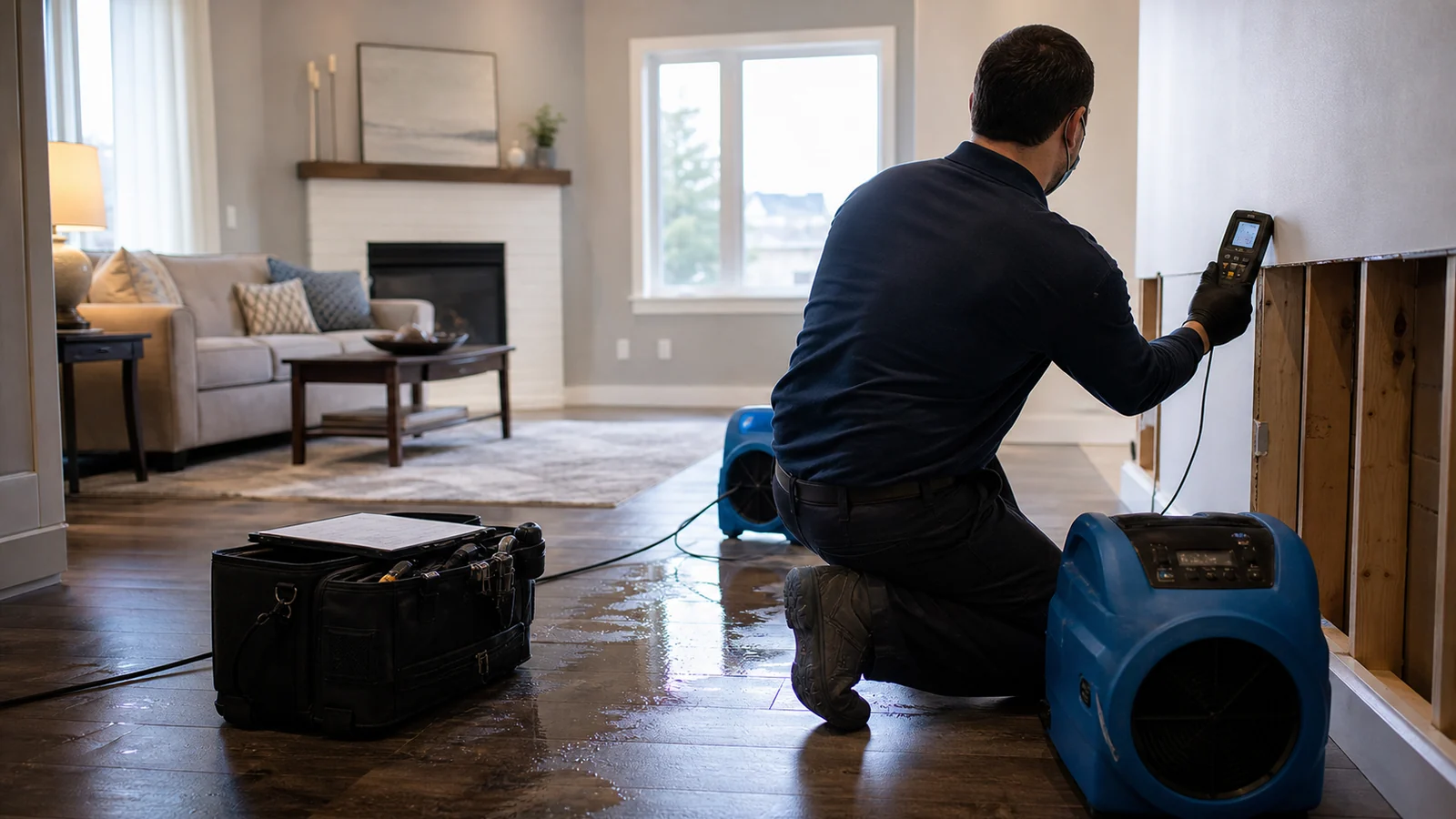
- Map damage and begin restoration: Inspect affected assemblies, remove water where needed, set drying or cleaning controls, and document the approved work.
- Verify progress and define repairs: Review measurements and material condition, then provide clear next steps for remaining cleanup, removal, or reconstruction.
Do not cover, paint, or rebuild an area just because the surface looks dry. Finishes can hide wet insulation, framing, underlay, subfloors, cabinet bases, and connected cavities.
What A Calgary Restoration Team Checks
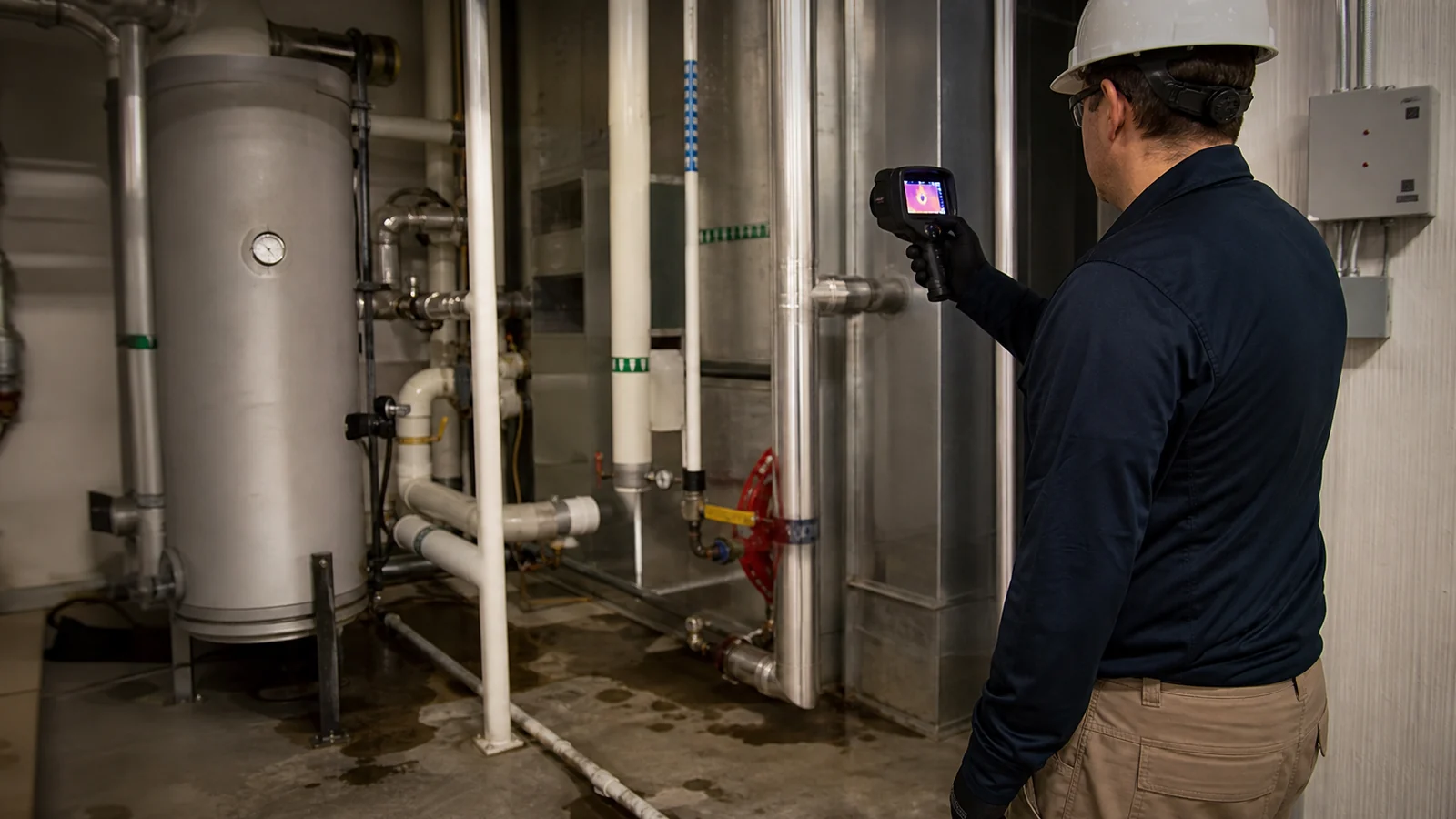
The assessment should connect the source, water path, affected materials, contamination risk, and safe work boundary. For this question, the review normally includes:
- Where the water started and travelled: We check the source, visible damage, nearby rooms, and hidden areas where water may have spread.
- What can be dried, cleaned, or replaced: We explain which materials can stay, which need cleaning, and which are too damaged or contaminated to keep.
- How we dry and check your property: We show you where drying equipment will go, how we check progress, and what must be dry before equipment is removed.
- What happens after drying: We explain any remaining repairs, whether another trade is needed, and which records we can send to your insurer.
Moisture readings and material condition are more useful than appearance alone. When access is limited, the team should explain what is confirmed, what remains uncertain, and whether a controlled inspection opening or another qualified trade is needed.
What Changes The Restoration Scope
- Water category and source: Contaminated water requires stricter access, removal, cleaning, and disposal controls than a clean supply-line loss.
- Number of affected assemblies: Floors, walls, ceilings, cabinets, insulation, and contents add different inspection and treatment tasks.
- Time before discovery: A longer hidden or unattended loss can increase the area requiring moisture investigation and material decisions.
- Access and occupancy: Occupied suites, businesses, parkades, elevators, and restricted rooms can change staging and work sequencing.
The written scope should distinguish emergency stabilization, water extraction, drying, cleaning, selective removal, source repair, and reconstruction. These tasks may happen in sequence and may require separate authorization.
Insurance And Documentation In Calgary
Photograph the source when visible, affected rooms, water lines, finishes, contents, and any emergency work. Keep invoices, equipment records, moisture logs, disposal approvals, and communications. Notify the insurer promptly and ask what documentation or authorization it requires.
Calgary Water Restoration works with all insurers and can bill the insurer directly for approved work. Coverage, deductibles, exclusions, approvals, and claim decisions remain policy-specific and are decided by the insurer.
Calgary Services Related To This Question
This topic may connect with Water Damage Restoration, Emergency Water Extraction, Water Damage Mitigation, Water Damage Remediation, Structural Drying & Dehumidification. The right starting point depends on whether the immediate need is extraction, damage mitigation, moisture investigation, drying, contaminated-water cleanup, or broader restoration.
Common Questions
How is restoration different from water extraction?
Extraction removes accessible water. Restoration connects that first step with drying, material decisions, cleaning, documentation, and repair planning.
Can every wet material be saved?
No. The source, contamination, material type, saturation, damage, and time wet all affect whether cleaning and drying are reasonable.
What should I photograph before work begins?
Photograph the source if visible, water lines, affected rooms, finishes, contents, equipment, and any changes you make for immediate safety.
Get Water Damage Help In Calgary
Calgary Water Restoration provides 24/7 response for water removal, moisture assessment, structural drying, cleanup, and restoration planning. For urgent help, call (587) 333-3251 or request a callback. Keep away from standing water, wet electrical equipment, sewage, and unstable ceilings while help is on the way.