How Do Calgary Restoration Companies Remove Water From A Flooded Basement?
Professionals confirm safe entry and water source, choose suitable pumps or extraction equipment, plan hose and discharge routes, remove accessible water in stages, and then check which materials remain wet.
Calgary properties include finished basements, multi-unit buildings, older assemblies, newer infill construction, and commercial spaces with different access and drying constraints. The response should follow the actual source, materials, occupancy, and measured moisture boundary rather than a generic room count.
This Calgary guide explains the immediate decision, what a restoration team checks, which conditions change the scope, and what records help owners, managers, contractors, and insurers move the file forward.
What To Do Before Restoration Work Begins
Do not enter standing water if electrical wiring, outlets, appliances, or equipment may be involved; stop the source only when it is safe.
- Confirm safe entry: Review the source, electrical concerns, contamination, structural conditions, and the route crews can use.
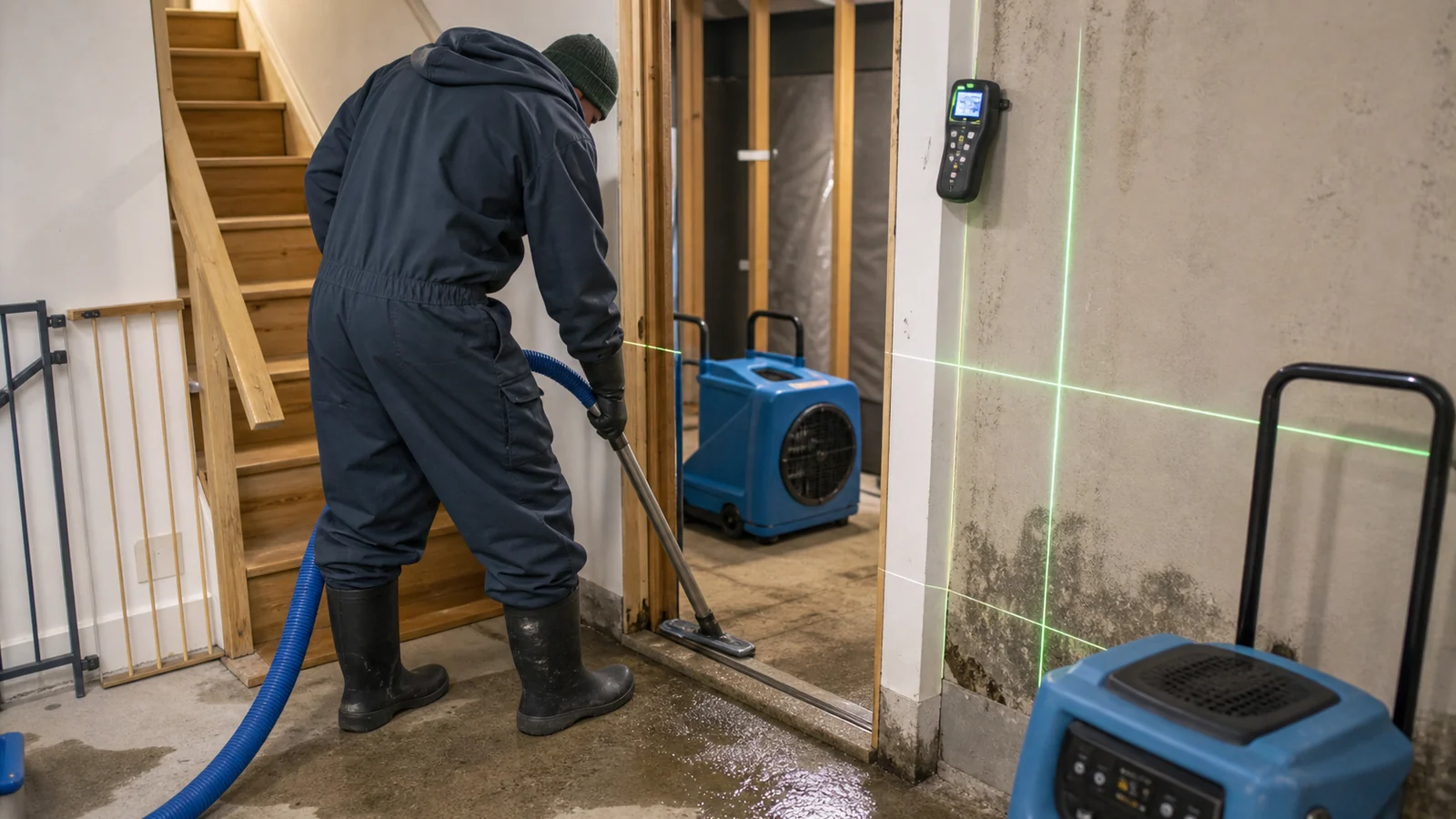
- Extract accessible water: Remove water in a controlled sequence while protecting unaffected routes and monitoring lower or connected spaces.
- Check what remains wet: Inspect materials and hidden boundaries, then explain drying, removal, cleaning, or restoration steps that are separate from extraction.
Do not cover, paint, or rebuild an area just because the surface looks dry. Finishes can hide wet insulation, framing, underlay, subfloors, cabinet bases, and connected cavities.
What A Calgary Restoration Team Checks
The assessment should connect the source, water path, affected materials, contamination risk, and safe work boundary. For this question, the review normally includes:
- What kind of water entered: We ask whether the water came from a clean supply line, sewage, outside runoff, or another source because that changes how the area is handled.
- How much water must be removed: We find the deepest areas, follow water into connected rooms, and check drains, pits, and low spaces where it may collect.
- How we remove the water safely: We choose pumps, extraction equipment, hose routes, and a safe disposal location based on the source and the property.
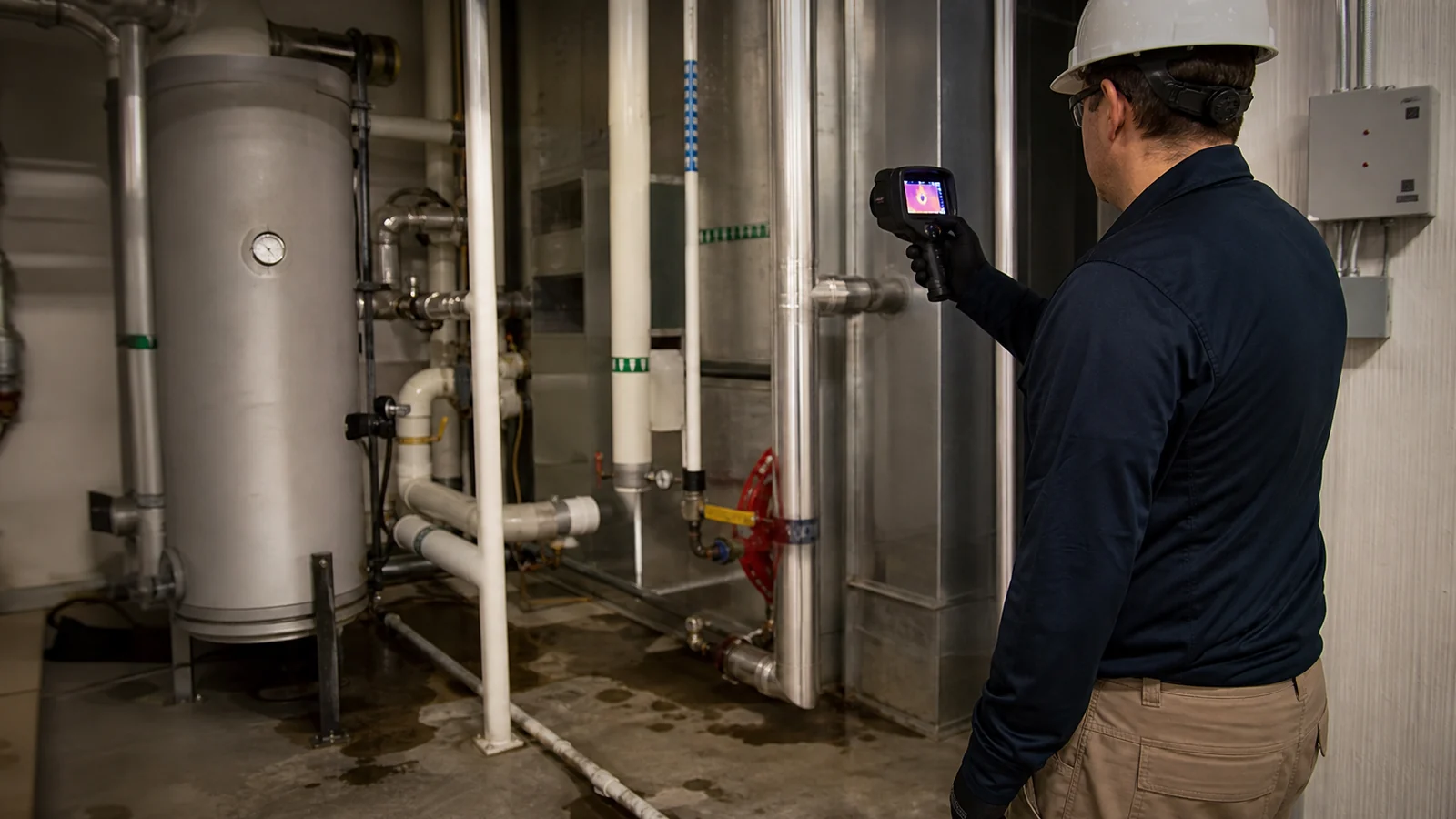
- What may still be wet afterward: After standing water is gone, we check flooring, wall edges, insulation, cabinets, and nearby rooms for hidden moisture.
Moisture readings and material condition are more useful than appearance alone. When access is limited, the team should explain what is confirmed, what remains uncertain, and whether a controlled inspection opening or another qualified trade is needed.
What Changes The Restoration Scope
- Water depth and floor area: More volume and a larger affected footprint increase extraction time and equipment use.
- Water source: Sewage or outside floodwater requires added protection, containment, cleaning, and disposal controls.
- Access to the water: Stairs, low crawl spaces, parkades, elevators, and long hose routes change setup and labour.
- Flooring and contents: Carpet, underlay, stored goods, built-ins, and partitions can slow access to pooled water.
The written scope should distinguish emergency stabilization, water extraction, drying, cleaning, selective removal, source repair, and reconstruction. These tasks may happen in sequence and may require separate authorization.
Insurance And Documentation In Calgary
Photograph the source when visible, affected rooms, water lines, finishes, contents, and any emergency work. Keep invoices, equipment records, moisture logs, disposal approvals, and communications. Notify the insurer promptly and ask what documentation or authorization it requires.
Calgary Water Restoration works with all insurers and can bill the insurer directly for approved work. Coverage, deductibles, exclusions, approvals, and claim decisions remain policy-specific and are decided by the insurer.
Calgary Services Related To This Question
This topic may connect with Emergency Water Extraction, Water Damage Mitigation, Water Damage Restoration, Structural Drying & Dehumidification, Moisture Mapping. The right starting point depends on whether the immediate need is extraction, damage mitigation, moisture investigation, drying, contaminated-water cleanup, or broader restoration.
Common Questions
Should I use a shop vacuum?
Only for a small clean-water area when there is no electrical risk and the equipment is rated for wet pickup. Larger or uncertain losses need safer controls.
Where does the extracted water go?
The destination depends on the source, contamination, municipal rules, site drainage, and available sanitary or approved disposal options.
Is the job finished when visible water is gone?
No. Flooring, walls, insulation, cabinets, and cavities can remain wet after the surface looks clear.
Get Water Damage Help In Calgary
Calgary Water Restoration provides 24/7 response for water removal, moisture assessment, structural drying, cleanup, and restoration planning. For urgent help, call (587) 333-3251 or request a callback. Keep away from standing water, wet electrical equipment, sewage, and unstable ceilings while help is on the way.