How Do Dehumidifiers Dry A Water-Damaged Calgary Property?
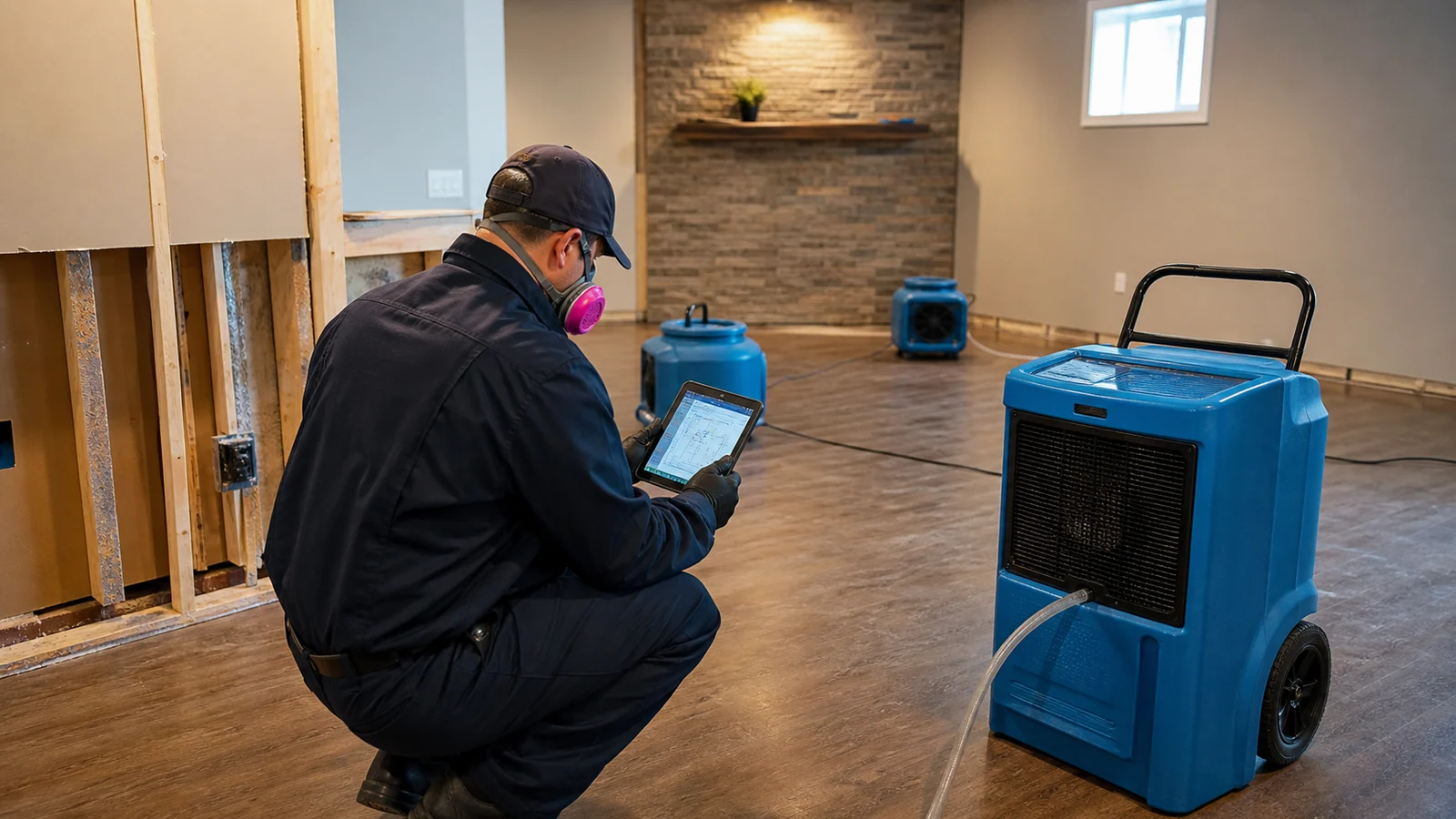
Dehumidifiers remove moisture from the air so water in suitable materials can continue evaporating under controlled conditions. They work with air movement, temperature management, access, and monitoring rather than as a stand-alone cure.
Calgary properties include finished basements, multi-unit buildings, older assemblies, newer infill construction, and commercial spaces with different access and drying constraints. The response should follow the actual source, materials, occupancy, and measured moisture boundary rather than a generic room count.
This Calgary guide explains the immediate decision, what a restoration team checks, which conditions change the scope, and what records help owners, managers, contractors, and insurers move the file forward.
What To Do Before Restoration Work Begins
Keep equipment paths clear, do not move or switch off drying equipment without agreement, and report heat, odour, noise, or access concerns.
- Set the drying boundary: Use inspection and readings to identify retained wet materials, air volume, access, and contamination limits.
- Operate and adjust equipment: Place air movement and dehumidification for the assembly, then change the setup as readings and site conditions change.
- Verify the endpoint: Compare final measurements and material condition with the agreed goal, documenting items that still require removal or repair.
Do not cover, paint, or rebuild an area just because the surface looks dry. Finishes can hide wet insulation, framing, underlay, subfloors, cabinet bases, and connected cavities.
What A Calgary Restoration Team Checks
The assessment should connect the source, water path, affected materials, contamination risk, and safe work boundary. For this question, the review normally includes:
- How we know drying is working: We compare wet materials with known dry areas and track moisture readings so you can see whether conditions are improving.
- Where drying equipment will go: We explain where dehumidifiers and air movers will run, which doors or cavities need access, and which areas must stay clear.
- How drying affects your space: We plan for available power, heat, noise, pets, occupants, security, and the times we need to check equipment.
- When drying equipment can come out: We remove or adjust equipment based on moisture readings and material condition, not simply because a set number of days has passed.
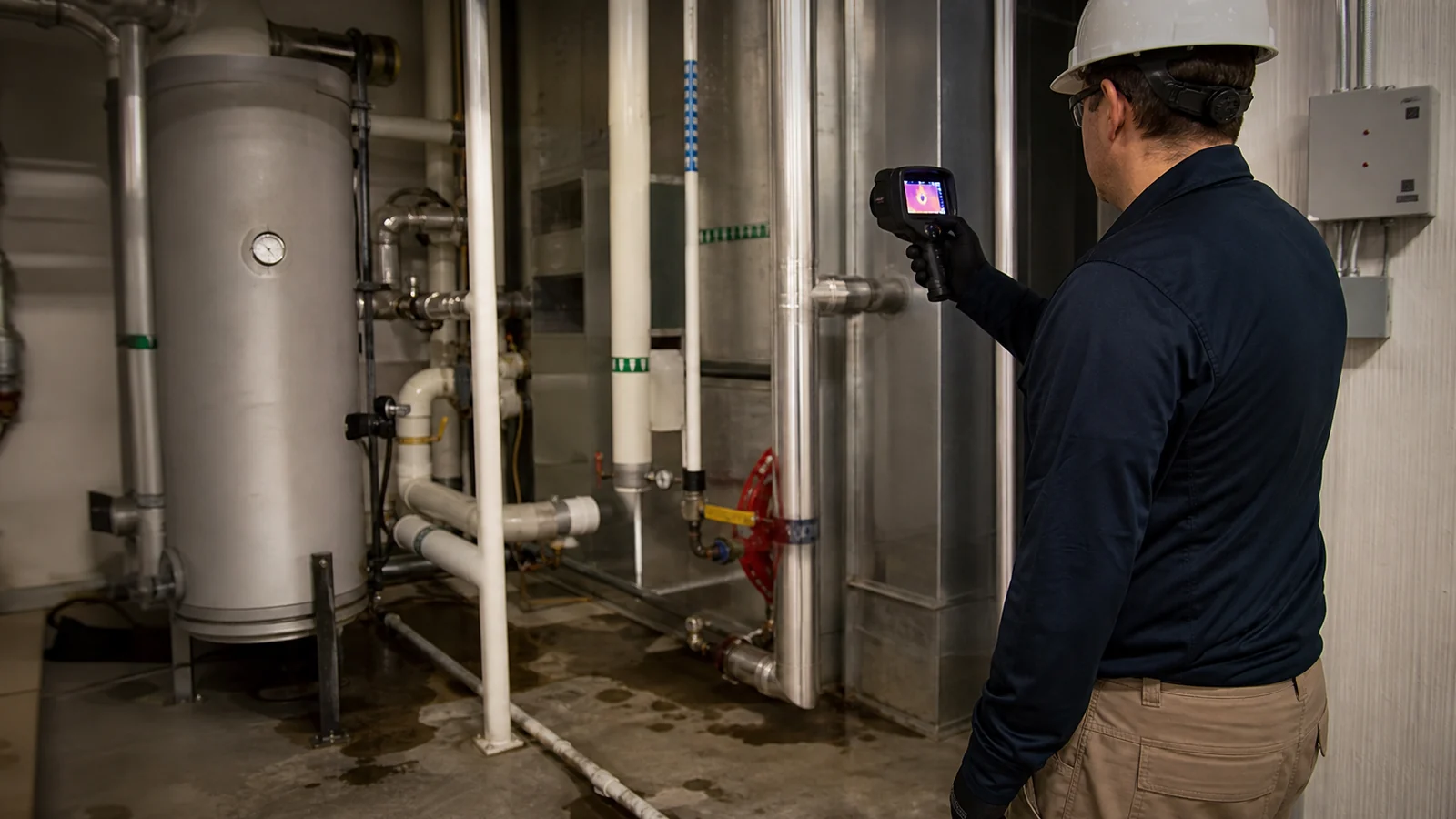
Moisture readings and material condition are more useful than appearance alone. When access is limited, the team should explain what is confirmed, what remains uncertain, and whether a controlled inspection opening or another qualified trade is needed.
What Changes The Restoration Scope
- Material and water load: Dense, layered, or heavily saturated assemblies take different equipment and monitoring than surface dampness.
- Air volume and separation: Large rooms, high ceilings, open plans, and connected spaces affect containment and dehumidifier capacity.
- Access to wet layers: Cabinets, tile, insulation, flooring, and wall cavities may need openings or removal before drying can progress.
- Power and occupancy: Available circuits, quiet hours, pets, tenants, and business operations influence equipment placement and duration.
The written scope should distinguish emergency stabilization, water extraction, drying, cleaning, selective removal, source repair, and reconstruction. These tasks may happen in sequence and may require separate authorization.
Insurance And Documentation In Calgary
Photograph the source when visible, affected rooms, water lines, finishes, contents, and any emergency work. Keep invoices, equipment records, moisture logs, disposal approvals, and communications. Notify the insurer promptly and ask what documentation or authorization it requires.
Calgary Water Restoration works with all insurers and can bill the insurer directly for approved work. Coverage, deductibles, exclusions, approvals, and claim decisions remain policy-specific and are decided by the insurer.
Calgary Services Related To This Question
This topic may connect with Structural Drying & Dehumidification, Moisture Mapping, Water Damage Remediation, Water Damage Restoration, Emergency Water Extraction. The right starting point depends on whether the immediate need is extraction, damage mitigation, moisture investigation, drying, contaminated-water cleanup, or broader restoration.
Common Questions
How long does structural drying take?
There is no responsible fixed answer. Material, saturation, access, temperature, humidity, equipment, and daily progress readings determine the duration.
Can I turn the equipment off at night?
Do not change the agreed setup without calling. Interruptions can slow drying and make readings harder to interpret.
Why are readings needed after surfaces look dry?
Water can remain within porous or layered materials after the face appears dry. Repeated readings show whether conditions are changing.
Get Water Damage Help In Calgary
Calgary Water Restoration provides 24/7 response for water removal, moisture assessment, structural drying, cleanup, and restoration planning. For urgent help, call (587) 333-3251 or request a callback. Keep away from standing water, wet electrical equipment, sewage, and unstable ceilings while help is on the way.