Is It Safe To Clean Up A Sewage Backup Myself In Calgary?
Sewage cleanup is not a routine do-it-yourself task. Keep occupants and pets away, avoid tracking contamination, do not use household fans, and arrange controlled extraction, removal, cleaning, and drying.
Calgary properties include finished basements, multi-unit buildings, older assemblies, newer infill construction, and commercial spaces with different access and drying constraints. The response should follow the actual source, materials, occupancy, and measured moisture boundary rather than a generic room count.
This Calgary guide explains the immediate decision, what a restoration team checks, which conditions change the scope, and what records help owners, managers, contractors, and insurers move the file forward.
What To Do Before Restoration Work Begins
Keep people and pets away, avoid contact or cross-traffic, do not use affected plumbing, and call emergency services for an immediate public-safety hazard.
- Isolate the contaminated area: Stop access and affected plumbing use, establish boundaries, and confirm the sewer or fixture status.
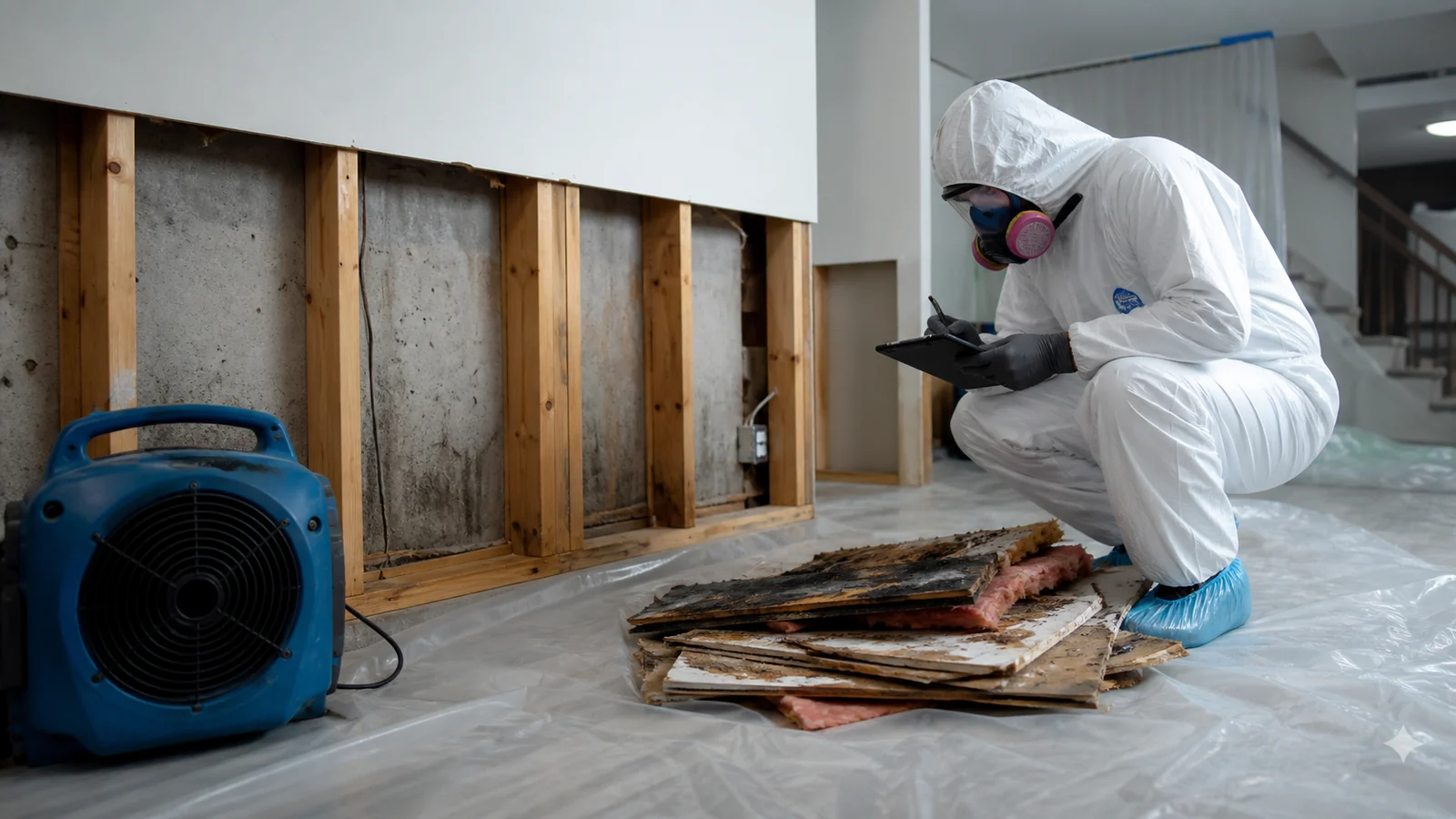
- Remove waste and affected materials: Extract and contain wastewater, remove authorized porous materials, and prevent debris from crossing clean areas.
- Clean, dry, and record the area: Clean retained surfaces, operate drying where appropriate, and document the completed scope and repair handoffs.
Do not cover, paint, or rebuild an area just because the surface looks dry. Finishes can hide wet insulation, framing, underlay, subfloors, cabinet bases, and connected cavities.
What A Calgary Restoration Team Checks
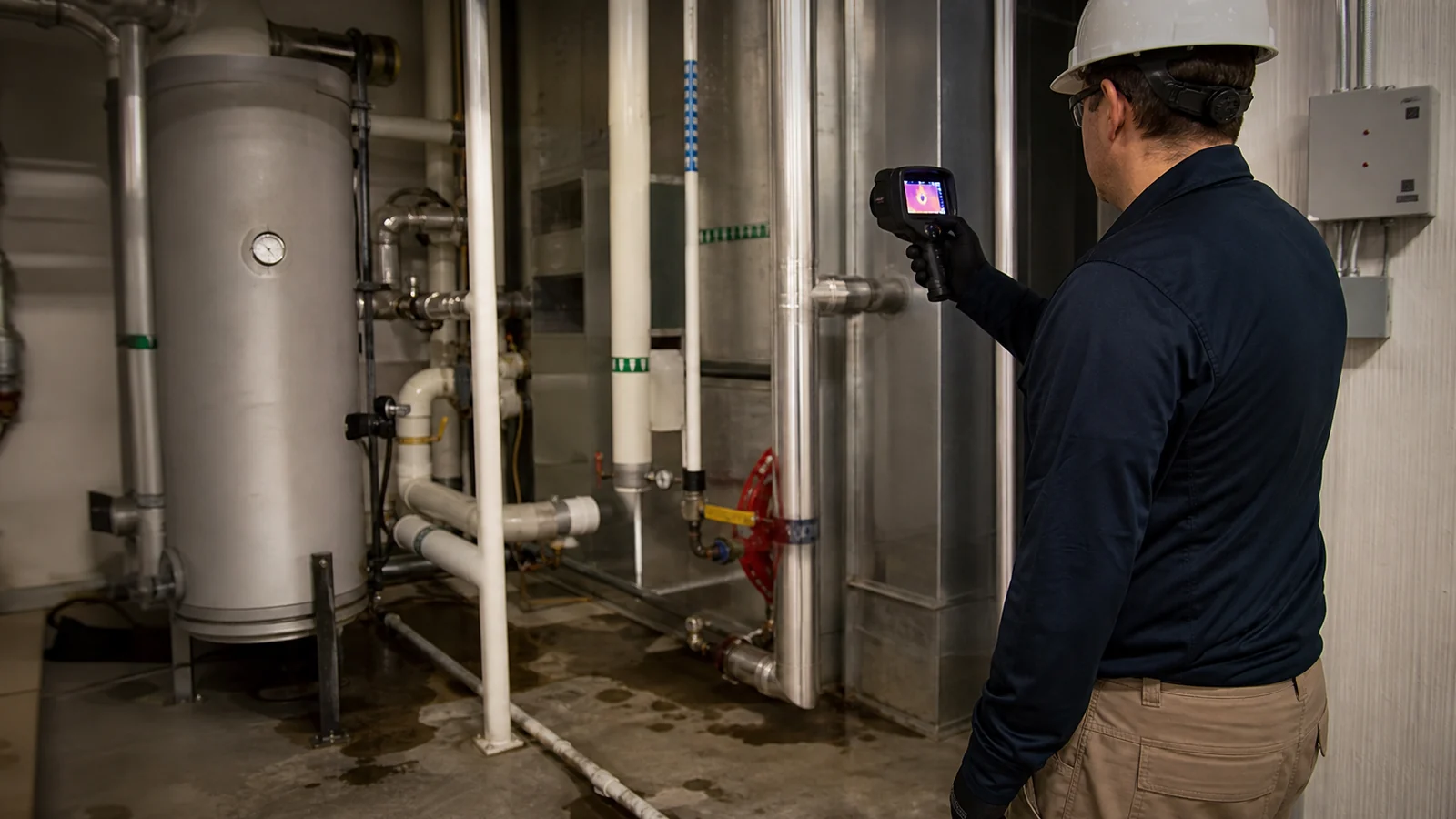
The assessment should connect the source, water path, affected materials, contamination risk, and safe work boundary. For this question, the review normally includes:
- Which areas must stay closed: We keep people and pets away from contaminated rooms and create a clean route for workers, equipment, and removed materials.
- Whether the sewer or fixture is fixed: We confirm affected plumbing is not being used and tell you when a plumber or sewer provider must clear or repair the source.
- What can be cleaned and what must go: We explain which hard surfaces may be cleaned and which contaminated porous materials should be removed and discarded with approval.
- How we clean and record the work: We clean accessible surfaces, handle waste safely, arrange drying, and provide photographs and records of the completed cleanup.
Moisture readings and material condition are more useful than appearance alone. When access is limited, the team should explain what is confirmed, what remains uncertain, and whether a controlled inspection opening or another qualified trade is needed.
What Changes The Restoration Scope
- Extent of contamination: More rooms, higher water lines, and cross-traffic increase containment, cleaning, and material handling.
- Porous materials and contents: Carpet, drywall, insulation, upholstery, paper, and stored goods may have limited cleaning options.
- Access and occupancy: Suites, restaurants, hotels, elevators, and shared corridors require stronger coordination and separation.
- Source repair: Drain clearing, sewer repair, backwater devices, and plumbing changes are separate unless listed.
The written scope should distinguish emergency stabilization, water extraction, drying, cleaning, selective removal, source repair, and reconstruction. These tasks may happen in sequence and may require separate authorization.
Insurance And Documentation In Calgary
Photograph the source when visible, affected rooms, water lines, finishes, contents, and any emergency work. Keep invoices, equipment records, moisture logs, disposal approvals, and communications. Notify the insurer promptly and ask what documentation or authorization it requires.
Calgary Water Restoration works with all insurers and can bill the insurer directly for approved work. Coverage, deductibles, exclusions, approvals, and claim decisions remain policy-specific and are decided by the insurer.
Calgary Services Related To This Question
This topic may connect with Sewage Backup Cleanup, Water Damage Remediation, Emergency Water Extraction, Flooded Basement Cleanup, Water Damage Mitigation. The right starting point depends on whether the immediate need is extraction, damage mitigation, moisture investigation, drying, contaminated-water cleanup, or broader restoration.
Common Questions
Can I clean a sewage backup myself?
Keep people and pets away. A small fixture overflow differs from sewage across porous materials; avoid contact, cross-traffic, and household fans that spread contamination.
Which materials usually need removal?
Contaminated porous materials often have limited cleaning options, but the decision depends on exposure, material, access, damage, and the written scope.
Can the area remain occupied?
The answer depends on containment, shared air and routes, plumbing use, affected rooms, vulnerable occupants, and the work being performed.
Get Water Damage Help In Calgary
Calgary Water Restoration provides 24/7 response for water removal, moisture assessment, structural drying, cleanup, and restoration planning. For urgent help, call (587) 333-3251 or request a callback. Keep away from standing water, wet electrical equipment, sewage, and unstable ceilings while help is on the way.