What Are The Three Categories Of Water Damage In Calgary?
Restoration professionals commonly distinguish water by source and contamination: clean-water sources, significantly contaminated grey water, and grossly contaminated black water. Conditions can worsen with time and contact with materials.
Calgary properties include finished basements, multi-unit buildings, older assemblies, newer infill construction, and commercial spaces with different access and drying constraints. The response should follow the actual source, materials, occupancy, and measured moisture boundary rather than a generic room count.
This Calgary guide explains the immediate decision, what a restoration team checks, which conditions change the scope, and what records help owners, managers, contractors, and insurers move the file forward.
What To Do Before Restoration Work Begins
Restrict access to sewage or visibly contaminated areas, avoid disturbing damaged porous materials, and report odour, residue, and time wet.
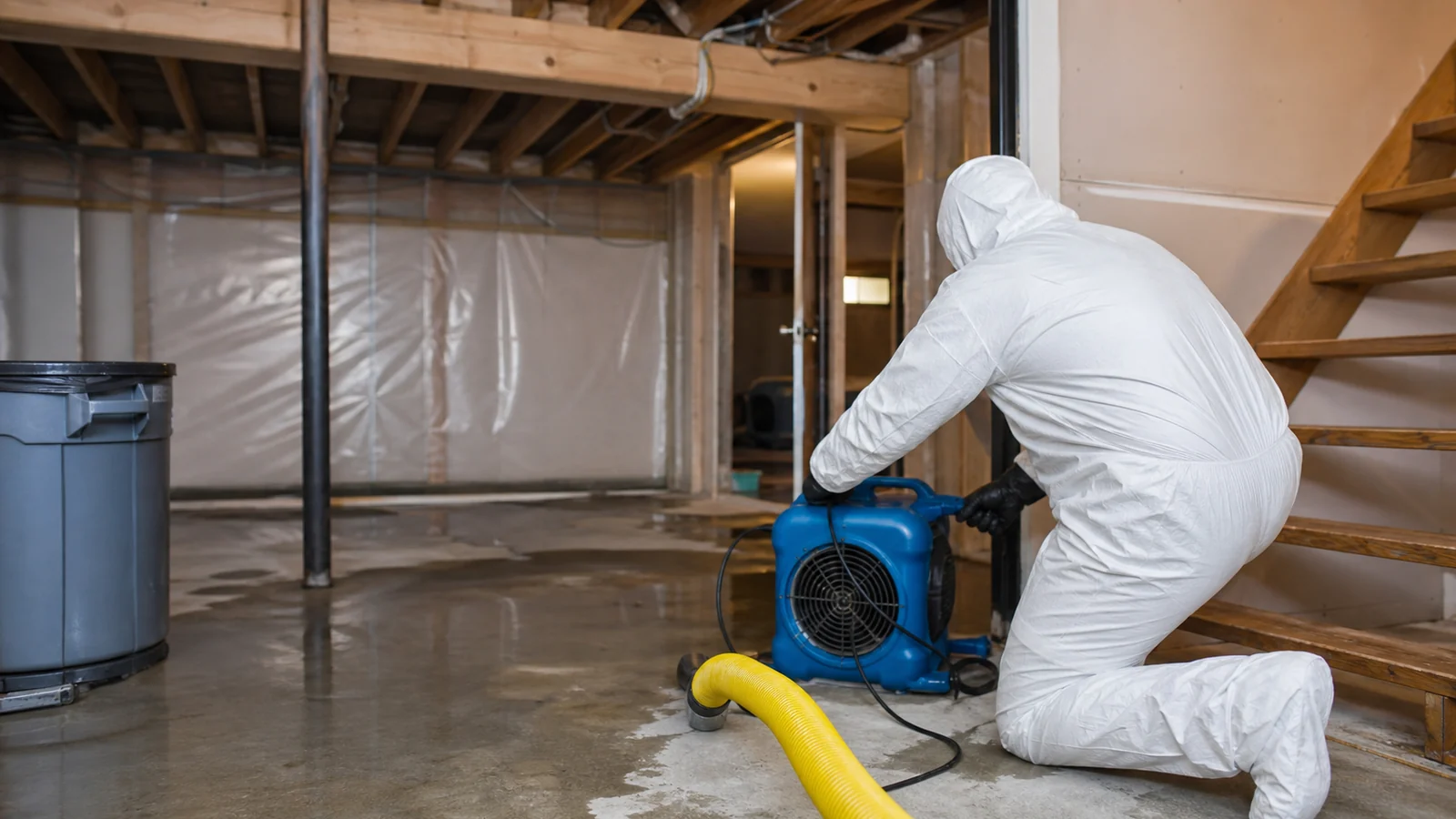
- Define the controlled area: Confirm contamination, occupancy, pathways, and materials before containment or removal begins.
- Remove and clean by scope: Handle authorized materials, clean accessible retained surfaces, and prevent debris from crossing into unaffected areas.
- Dry and document the handoff: Verify accessible conditions, record the completed remediation scope, and identify remaining drying or repair work.
Do not cover, paint, or rebuild an area just because the surface looks dry. Finishes can hide wet insulation, framing, underlay, subfloors, cabinet bases, and connected cavities.
What A Calgary Restoration Team Checks
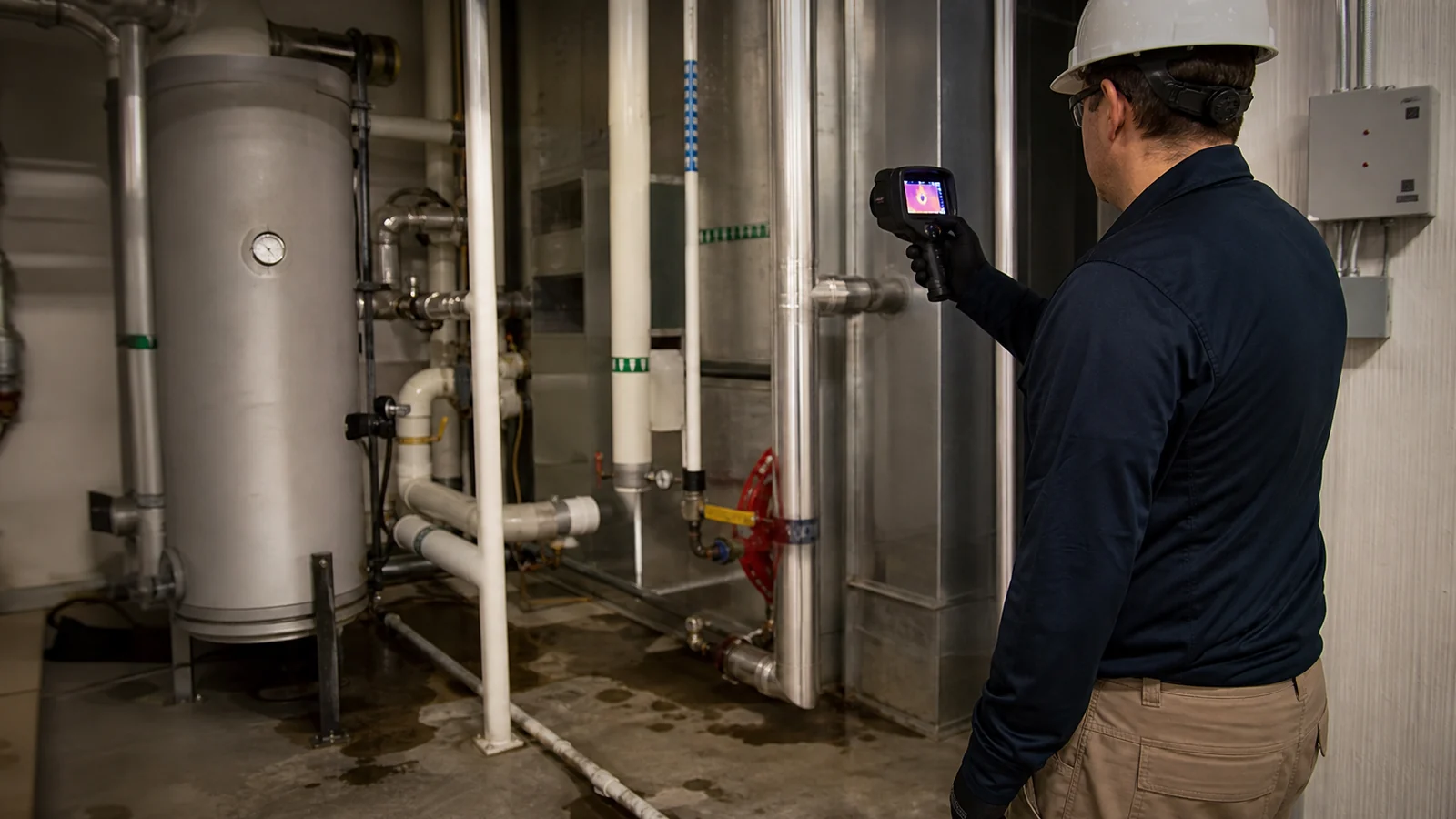
The assessment should connect the source, water path, affected materials, contamination risk, and safe work boundary. For this question, the review normally includes:
- Which areas need to stay closed: We keep people away from contaminated or damaged areas and set a clean route for workers, equipment, and removed materials.
- What can be cleaned and what must go: We explain which materials can be cleaned and dried and which damaged or contaminated items should be removed.
- How we clean and check the area: We clean accessible surfaces, arrange continued drying, and tell you if specialist testing is recommended.
- What happens before repairs begin: We leave exposed areas ready for drying and inspection, then explain what must happen before walls, floors, or cabinets are rebuilt.
Moisture readings and material condition are more useful than appearance alone. When access is limited, the team should explain what is confirmed, what remains uncertain, and whether a controlled inspection opening or another qualified trade is needed.
What Changes The Restoration Scope
- Water contamination: The source determines protective equipment, containment, cleaning, disposal, and access controls.
- Material porosity: Insulation, drywall, carpet, wood, concrete, and contents have different cleaning and drying limits.
- Containment size: Occupied spaces and longer debris routes can require more separation and surface protection.
- Demolition complexity: Cabinets, tile, built-ins, layered floors, and mechanical penetrations can slow controlled access.
The written scope should distinguish emergency stabilization, water extraction, drying, cleaning, selective removal, source repair, and reconstruction. These tasks may happen in sequence and may require separate authorization.
Insurance And Documentation In Calgary
Photograph the source when visible, affected rooms, water lines, finishes, contents, and any emergency work. Keep invoices, equipment records, moisture logs, disposal approvals, and communications. Notify the insurer promptly and ask what documentation or authorization it requires.
Calgary Water Restoration works with all insurers and can bill the insurer directly for approved work. Coverage, deductibles, exclusions, approvals, and claim decisions remain policy-specific and are decided by the insurer.
Calgary Services Related To This Question
This topic may connect with Water Damage Remediation, Water Damage Restoration, Structural Drying & Dehumidification, Moisture Mapping, Sewage Backup Cleanup. The right starting point depends on whether the immediate need is extraction, damage mitigation, moisture investigation, drying, contaminated-water cleanup, or broader restoration.
Common Questions
How is remediation different from restoration?
Remediation focuses on affected or contaminated materials after source control. Restoration connects cleanup, drying, documentation, and repair planning across the whole loss.
Does remediation always require demolition?
No. Removal depends on contamination, material condition, porosity, access, and whether cleaning and drying can meet the defined goal.
Do you test for mould?
The written scope should state whether specialist sampling or laboratory work is included or referred; visual assessment is not a medical or laboratory diagnosis.
Get Water Damage Help In Calgary
Calgary Water Restoration provides 24/7 response for water removal, moisture assessment, structural drying, cleanup, and restoration planning. For urgent help, call (587) 333-3251 or request a callback. Keep away from standing water, wet electrical equipment, sewage, and unstable ceilings while help is on the way.